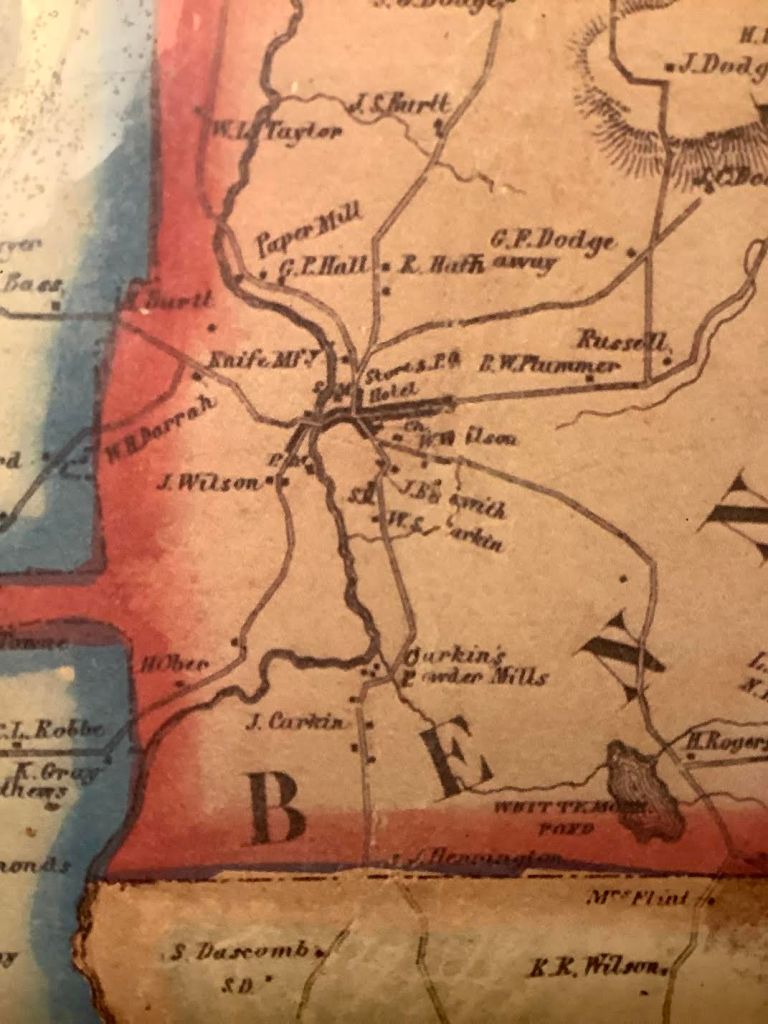
‘Carkin’s Powder Mills’ [just above the E]. Note that there is no Powder Mill Pond at this time.
Bennington became a community because of its factories. Most began as ‘cottage industries’ and one of the oldest was John Carkin’s gunpowder mill. Carkin was originally from Lyndeborough, but moved to the banks of the Contoocook in 1823, when he was 31 years old. Initially, his house was on the Greenfield side of the river, and that was where he made his gun-powder — at home. We do not know where Carkin learned his trade, but he was rather successful at it.
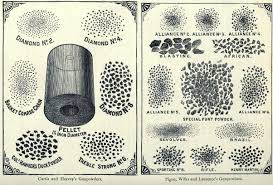
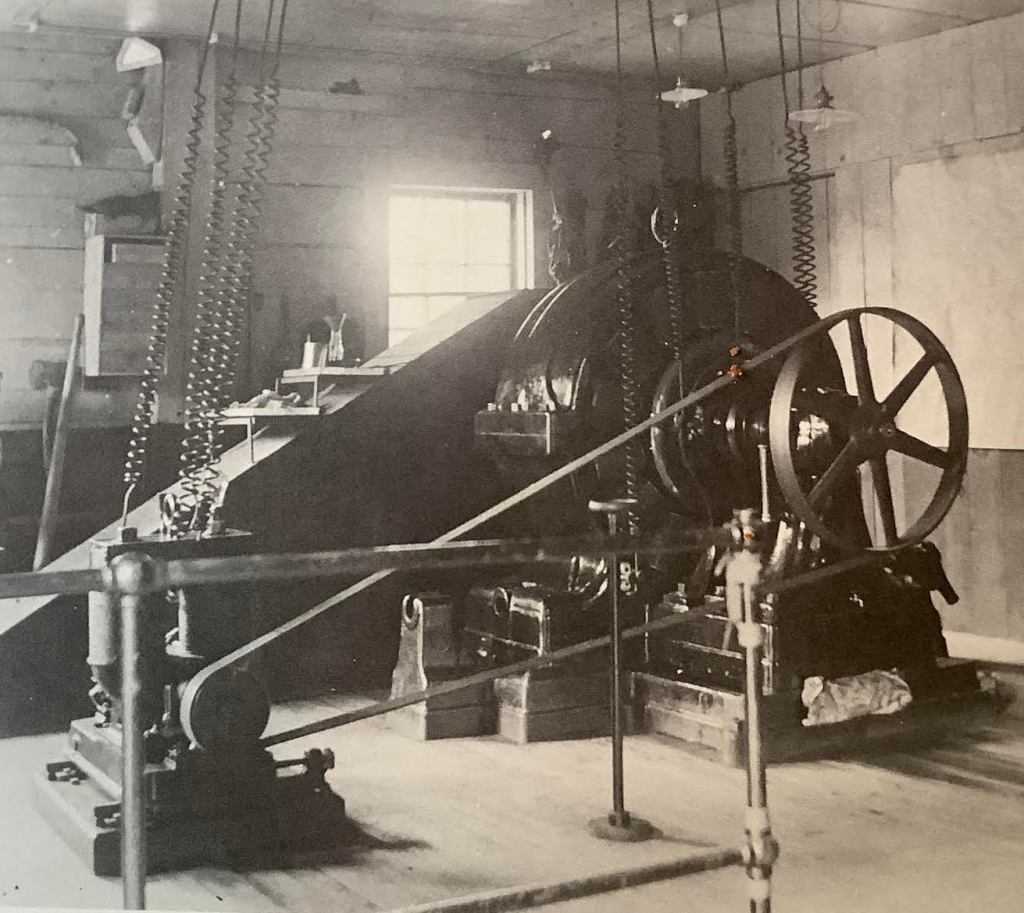
The making of gunpowder involved several steps. First, you needed charcoal, made from the controlled burning of hardwood trees. The charcoal was crushed, then combined with sulphur and saltpeter. The mixture had to be kept moist, otherwise it might explode. It was rolled into cakes and then permitted to dry. The dried cakes were pulverized and sifted into sizes suitable for various guns: from hunting rifles to cannons.
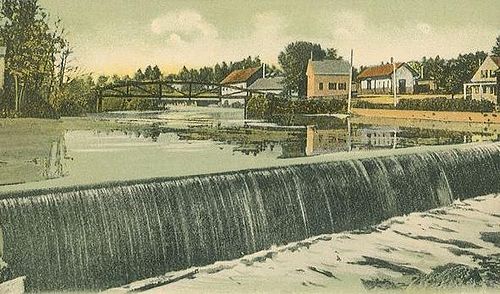
To move this dangerous manufacture out of his house, Carkin dammed the Contoocook River south of the town, creating the Powder Mill Dam. When Bennington was incorporated, the section of Greenfield that contained the powder mill became part of the new town. By 1850, Carkin’s business was thriving, employing him and his son Willard, also Thomas West and Lucas Griswold, all described a “powder manufacturers” . The mill contained crushing rollers which were powered by the river, but that made the job no less dangerous. Some workers were killed by fires or explosions — such as Carkin’s brother Aaron — or killed by the machines themselves. The only reason to work there was the exceptionally high pay and the extremely short hours. I have been told that the company provided gunpowder for Union troops in the Civil War.
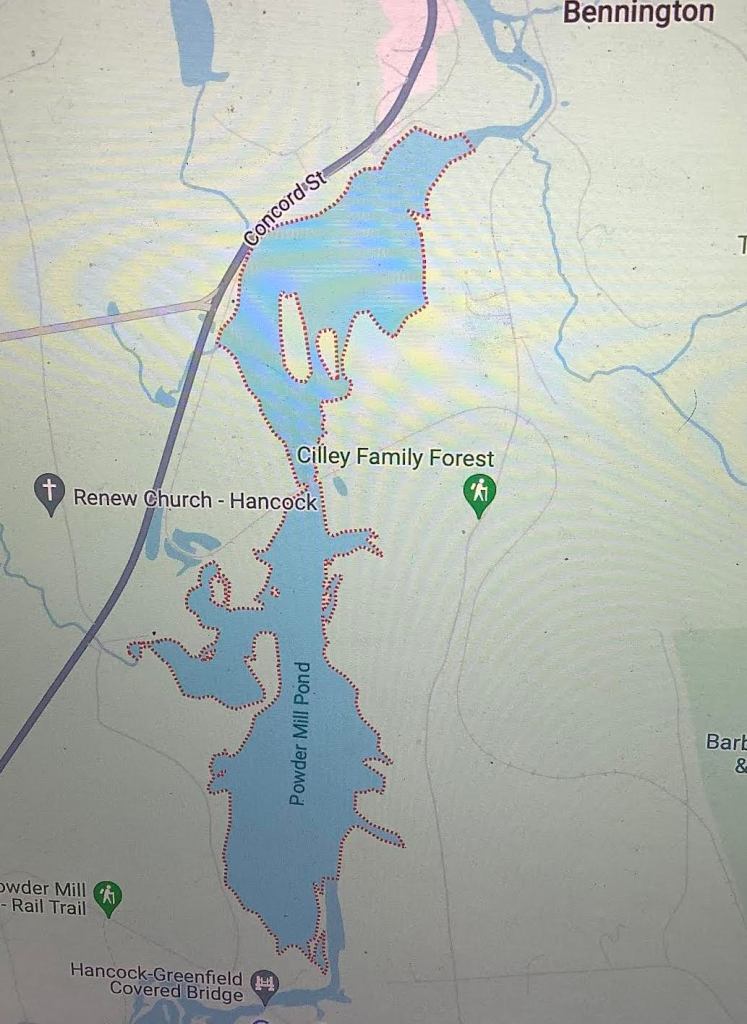
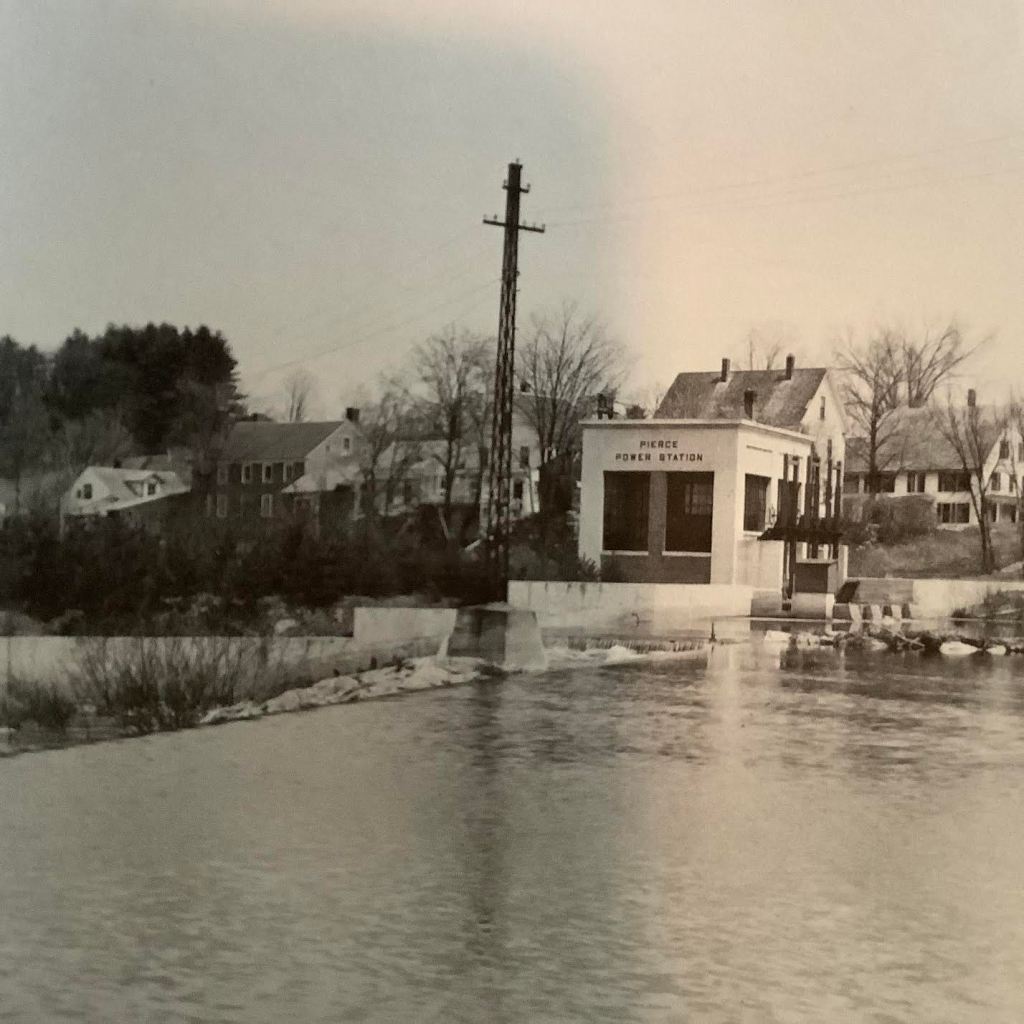
In 1866, Willard Carkin sold the mill, the dam, and the land to George W. Burns, who continued to operate the mill. Willard still worked there. His father died at age 91 in 1883, and the mill closed a few years later. Nothing remains of Carkin’s mill or his house. Perhaps they are under the water of the Powder Mill Pond, formed by expanding the dam in the early 1900s.
The next installment of the Bennington NH Historical Society Blog will be posted on May 27, 2024. If you click the Subscribe button, all future posts will be sent straight to your inbox every month – for free.
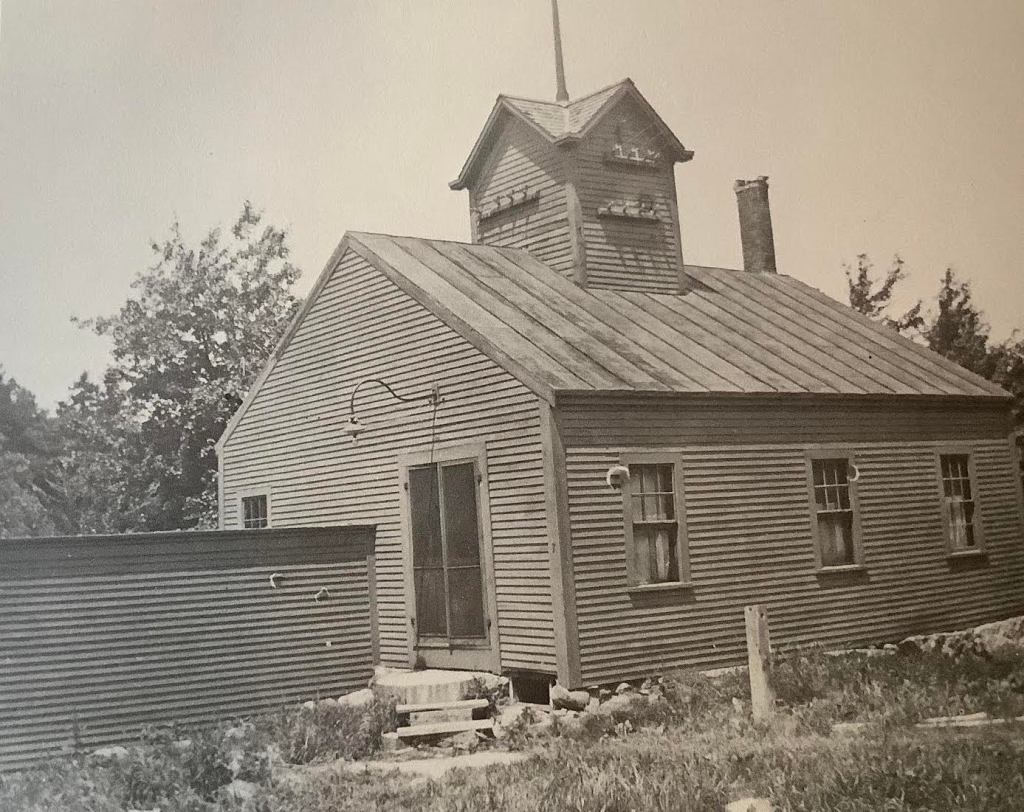
 Bennington, New Hampshire HistorySite Title