Before there was a ‘Bennington’, back when it was called “Society Land“, there were schools here. In 1791, citizens agreed to hold a school at John Putnam’s house, but after 1794, classes were held at Horace Roger’s house. These might have been “Dame Schools”, where a mother or grandmother or maiden aunt would undertake the education of the neighborhood children in her sitting room.
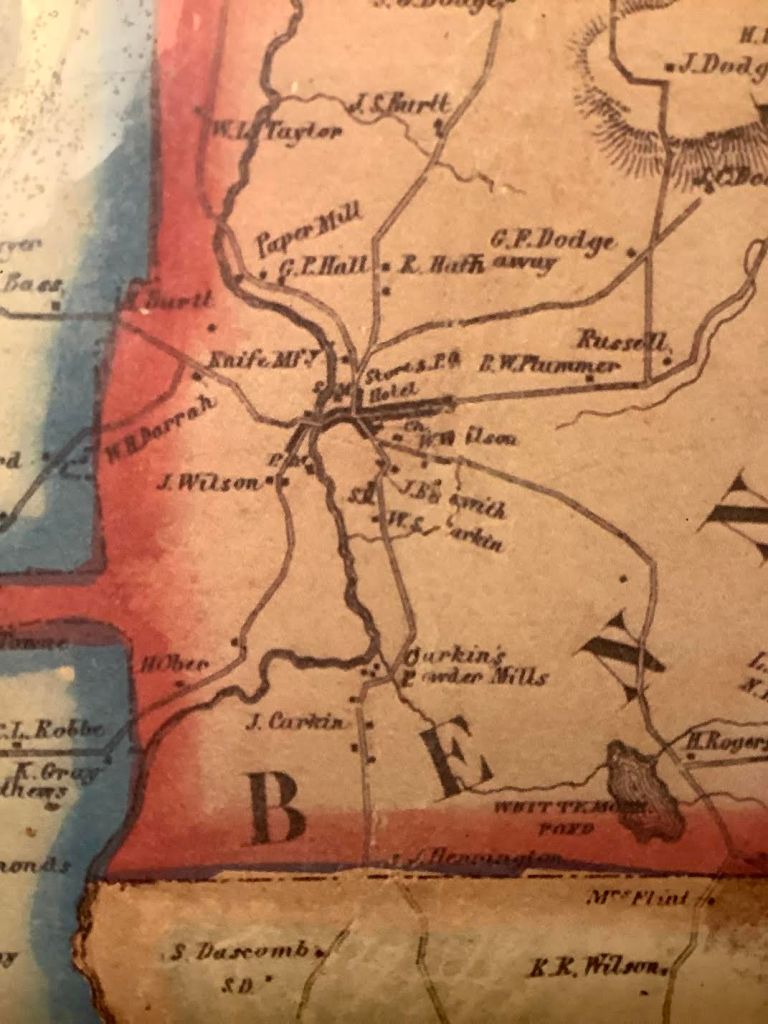
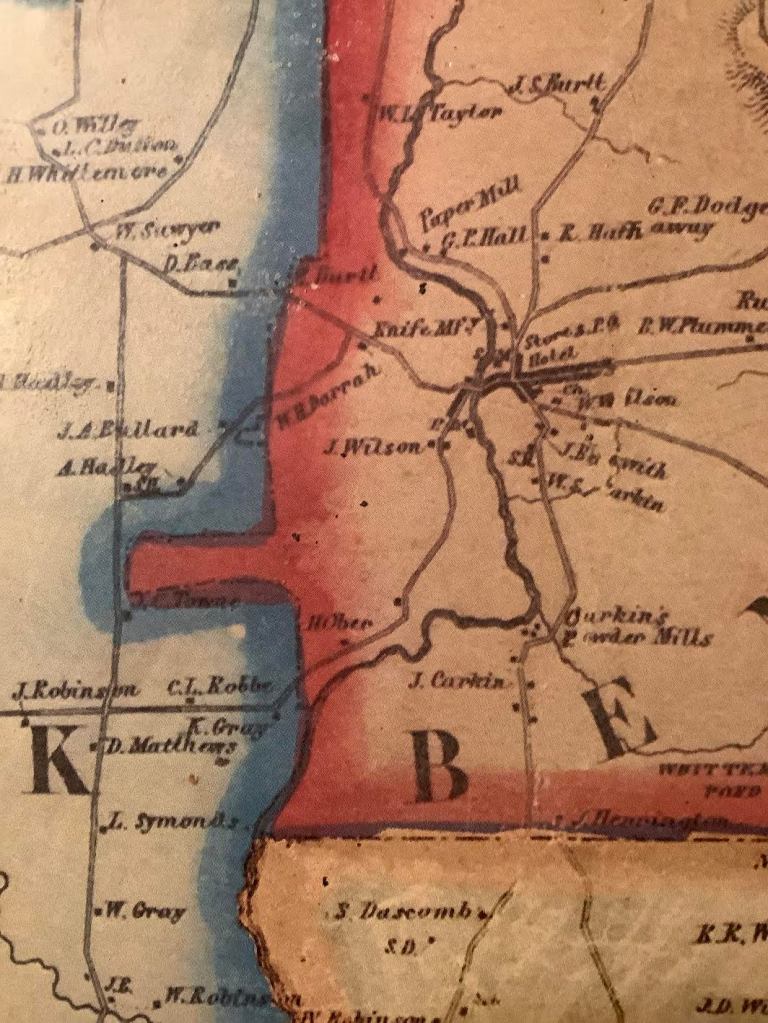
By 1797, so many families were setting up homesteads far beyond the river-side village, that the town established three ‘school districts’. Each District served 8 households, but that did not mean that each school had the same number of students. The Southern District was near the Greenfield border, on the Greenfield Road, serving the Rogers, George, Eaton, and Martin families. The Middle District covered the homesteads east of Town on the Francistown Road, for the Dodges, Newtons, Bells, and Favors. The Northern District school was at the lower end of Gillis Hill Road in the orchard/ pasture of the Colby Family. Children from the Sweetser, Burtt, Colby, and Huntington families might have walked a mile or less to attend. Built without a foundation, the school-house was small but it had a wood stove and its own near-by well.

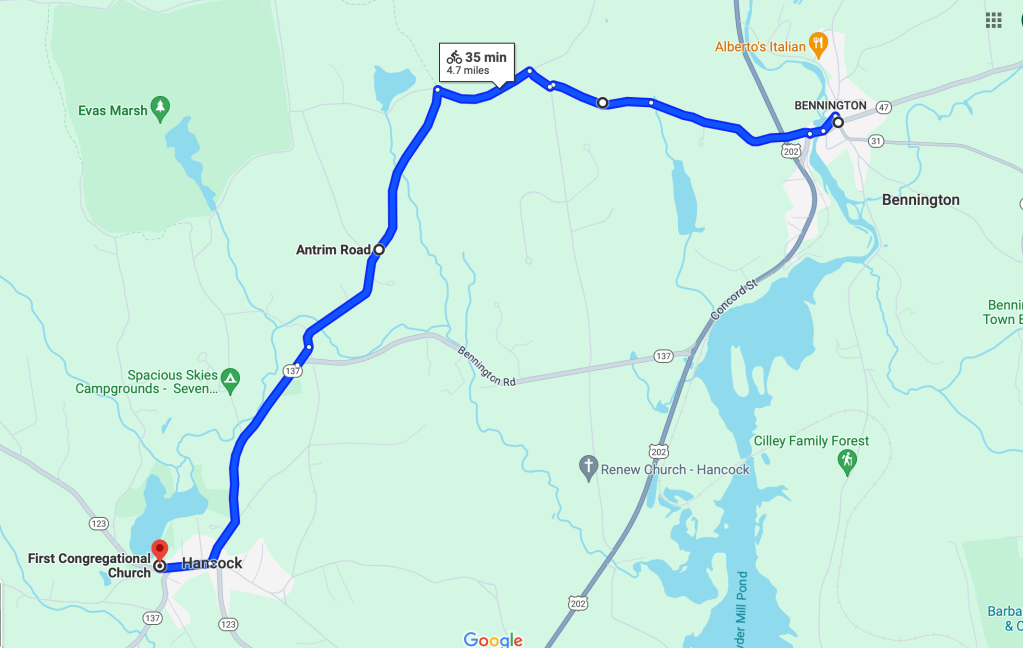
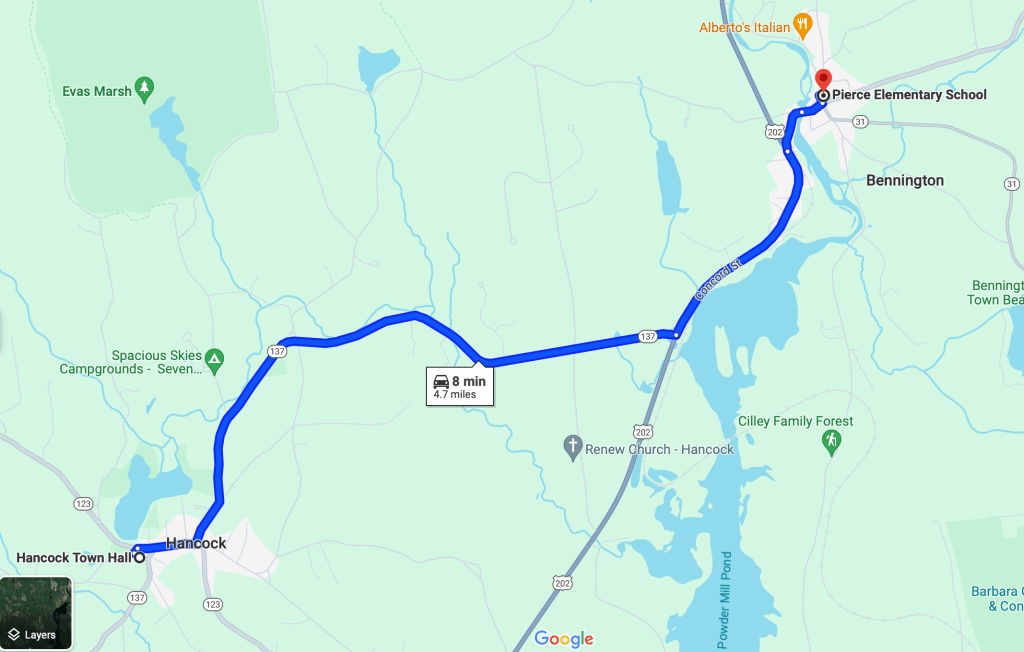
The schools were paid for by taxes, with money being allocated to each school based on the number of students. School was in session for two terms: Fall and Spring. In 1798, a Summer term was added, but school attendance was never mandatory. Sometimes parents were not happy with the education for which their taxes paid. In 1799, families west of the river on the Hancock border lobbied to have their children attend Hancock’s school. Some things never change.
The next installment of the Bennington NH Historical Society Blog will be posted on August 19, 2024. If you click the Subscribe button, all future posts will be sent straight to your inbox every month – for free.









 Bennington, New Hampshire HistorySite Title